




Skip to content

API Development

API development: secure, documented and built to scale

An API is the silent engine behind your digital products. We build APIs that are secure and developer-friendly, with contract tests, clear documentation and low latency, and use AI to keep the schema, code and docs in step.

What you get

  • Seamless connections. Your apps, partners and systems exchange data reliably, in real time.
  • Secure by design. Access control and validation are part of the architecture, not an afterthought.
  • Developer-friendly. Clear docs and predictable behaviour make integration fast for every team.

(01) Overview

Part of our Software & App Development capability.

We design with a security-first mindset: authentication and authorization, rate limiting, input validation and encryption in transit are standard, not add-ons. Using REST and GraphQL standards, we create flexible architectures that grow with you, and we emphasize clean code and automated testing so complex integrations become seamless experiences.

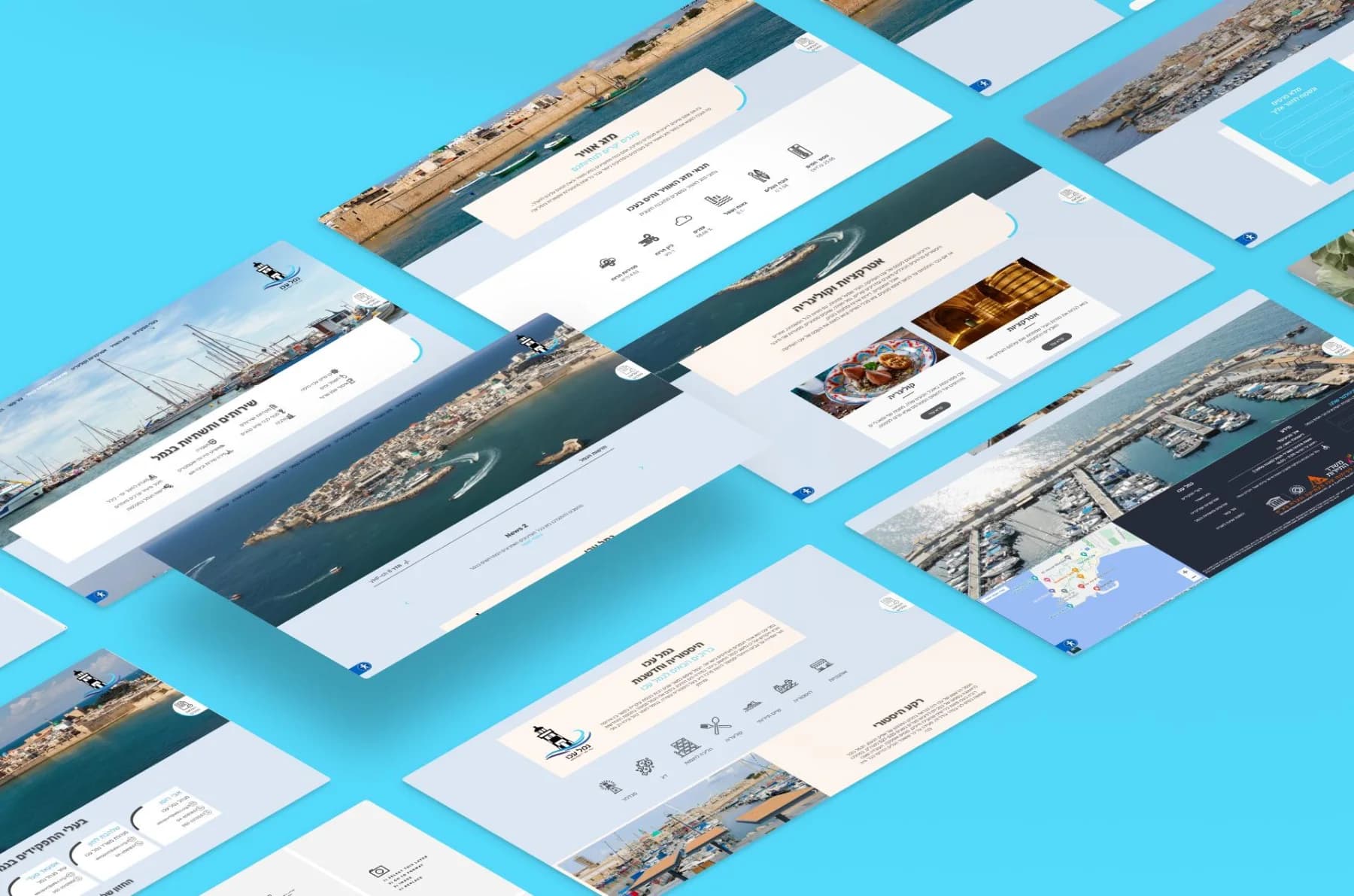
Beyond building your own APIs, we integrate third-party ones every day — from a real-time weather feed on a trilingual port website to the institutional systems behind a university research portal and a verse database powering an online learning community.

Is this the right service?

Choose API development when

  • You're designing an API that others will consume: partners, mobile apps or customers
  • The contract, versioning, documentation and developer experience matter as much as the endpoints
  • You need authentication, rate limits and usage monitoring per consumer

Consider instead

(02)Deliverables

What's included in API development.

  • 01

    REST & GraphQL API design

    Contract-first APIs with consistent resources, pagination, errors and versioning.

  • 02

    API security & gateways

    OAuth 2.0 / OpenID Connect, API keys, rate limiting and gateways that protect your data.

  • 03

    Third-party integrations

    Payments, shipping, CRM, maps, weather, social and institutional systems — connected reliably.

  • 04

    Webhooks & event-driven flows

    Real-time notifications and asynchronous processing that keep systems in sync.

  • 05

    Documentation & developer portals

    OpenAPI specifications, examples and onboarding guides your partners will actually use.

  • 06

    Performance & monitoring

    Caching, load testing and observability so your API stays fast under pressure.

(03)Contract first

The contract is agreed before the code.

An illustrative excerpt from an OpenAPI contract. Resources, errors and versions are decided up front, and the contract tests come from the same file.

Illustrative example
orders-api.yaml (excerpt)
openapi: 3.1.0
info:
  title: Orders API
  version: 2.1.0
paths:
  /v2/orders/{orderId}:
    get:
      security: [{ oauth2: [orders.read] }]
      responses:
        "200": { $ref: "#/components/responses/Order" }
        "404": { $ref: "#/components/responses/NotFound" }
        "429": { $ref: "#/components/responses/RateLimited" }
  • Errors and rate limits are part of the contract, not an afterthought
  • Scopes say exactly what each consumer may read or change
  • Breaking changes get a new version and a deprecation window
  • Contract tests run on every change, so consumers aren't the first to notice

(04)AI & responsibility

How AI assists API development.

Where AI helps

  • Drafting OpenAPI or GraphQL schemas from agreed requirements
  • Generating endpoint code, client stubs and contract tests
  • Writing and updating reference documentation and examples
  • Analyzing logs for latency and error patterns

What our experts own

  • API design and versioning decisions
  • Authentication, authorization and rate limits
  • Reviewing every endpoint before release
  • Breaking-change and deprecation policy

(05)Our process

How we deliver API development.

  1. 01

    Define the contract

    Agree on resources, payloads and errors in an OpenAPI or GraphQL schema first.

  2. 02

    Design security

    Choose authentication, permissions and rate limits based on who consumes the API.

  3. 03

    Build & test

    Implement endpoints with automated contract, integration and load tests.

  4. 04

    Document

    Publish reference docs, examples and changelogs alongside the code.

  5. 05

    Monitor & version

    Track usage, latency and errors, and evolve the API without breaking consumers.

(06)Connected capabilities

Connected work, one accountable team.

How the other capabilities support API development on a project.

  • QA & Release Assurance

    Contract, integration and load tests run on every change, so consumers aren't the first to find a regression.

  • DevOps & Managed Operations

    Versioned deployments with monitoring of latency, errors and usage per consumer.

  • Product Design & UI/UX

    Developer documentation and portals are designed for the people who integrate, not just generated.

How we build with AI

Choose how AI is used while we build.

Both packages deliver APIs with the same contract tests and reviews. Choose based on where AI processing may happen while we build.

(07) Tools & technologies

  • REST
  • GraphQL
  • OpenAPI
  • Node.js
  • TypeScript
  • PHP
  • OAuth 2.0 / OIDC
  • Redis
  • PostgreSQL
  • API gateways

(08)Industries

Where this matters most.

(09)Proof

Hebrew University — project mock-up on desktop and mobile screensCase study

Hebrew University· Education· Portal

Hebrew University: a researcher portal powered by the university's own systems

A fully custom English portal that shows researchers every instrument available for rent across departments and areas of expertise — with data pulled live from the university's systems through an API.

  • Every rentable instrument, organized by department and area of expertise
  • Data pulled through an API connected to the university's systems
  • Fully custom build, in English, designed for researchers

Read the Hebrew University case study
HaBanim Association — project mock-up on desktop and mobile screens

HaBanim AssociationPlatform · Non-profit

Be'or HaTorah

A social network for Torah learning built for the HaBanim non-profit: verses pulled through an API, commentary written and sourced by visitors, automatic author ranking by reads and dynamic highlights of leading commentaries.

(10)FAQ

API Development: your questions.

REST or GraphQL — which should we use?

REST is simple, cache-friendly and ideal for public or partner APIs. GraphQL shines when many clients need different slices of complex data, such as mobile and web apps sharing one backend. Many products use both; we choose per use case.

How do you secure APIs?

With strong authentication (OAuth 2.0 / OpenID Connect or scoped keys), least-privilege authorization on every endpoint, input validation, rate limiting, encryption in transit and logging. We design against the OWASP API Security Top 10 and test those controls before release.

Can you integrate a third-party API with poor documentation?

Yes. We build a thin, well-tested adapter around the third-party API, document what we learn, and add monitoring so changes on the provider's side are detected quickly.

Will our API come with documentation?

Always. Every API we build ships with an OpenAPI (or GraphQL) schema, reference documentation and examples, kept in the same repository as the code so it never goes stale.

Next step

Let's talk about your API development project.

Tell us what you're building. We'll come back with practical next steps, a realistic plan and an honest estimate.