Startup MVPs, SaaS platforms, web and mobile apps, internal systems, integrations and AI features. AI agents speed up the building; a senior engineer manages them as your HR for AI and sets the architecture, so you get expert work delivered faster, with design, QA and DevOps behind every release.
Expert work, delivered faster. AI takes routine implementation time off the schedule; architecture, reviews, testing and release controls stay with experienced people.
Accountable engineers. Senior engineers own the architecture and every merge. Responsibility never sits with a tool.
Software you can maintain. Readable code, tests and current documentation, whether we keep running it or hand it over.
Our engineers build with the best AI engineering tools available, in a workflow set up for real projects: agents map existing code, implement well-defined changes, refactor, and draft tests and documentation. A senior engineer acts as your HR for AI: sets the architecture, breaks the work into tasks small enough to delegate and review, and approves every change before it merges. You get the speed of AI and the judgment of people who have shipped software for years.
One team covers the whole product: architecture, front end and back end, mobile, integrations, cloud infrastructure and, where they earn their place, AI features for your users. Designers, QA and DevOps work alongside the engineers, and after launch the same team can keep releasing, maintaining and improving what we built.
Is this the right service?
Choose software & app development when
You need software built, from a startup MVP or mobile app to a system your business runs on, with one team accountable for it
You want expert engineering delivered faster with AI, without handing judgment, review or releases to a tool
Several capabilities are involved: engineering plus design, QA and operations
Consider instead
Software Product Engineering if you're a founder shaping a new product and want discovery, a prototype and an MVP plan first.
Selected client work from our web & mobile apps, enterprise integration, API development, AI agents & automation and dedicated teams services: the track record this capability builds on.
An online store, two native shopping apps and a password-protected wholesale catalog for a contemporary fashion brand that sells to both consumers and trade buyers.
Online store for the brand's consumer collection
Two native shopping apps — one for iPhone, one for Android
Password-protected wholesale catalog with carton pricing, prices with and without VAT and per-unit breakdowns
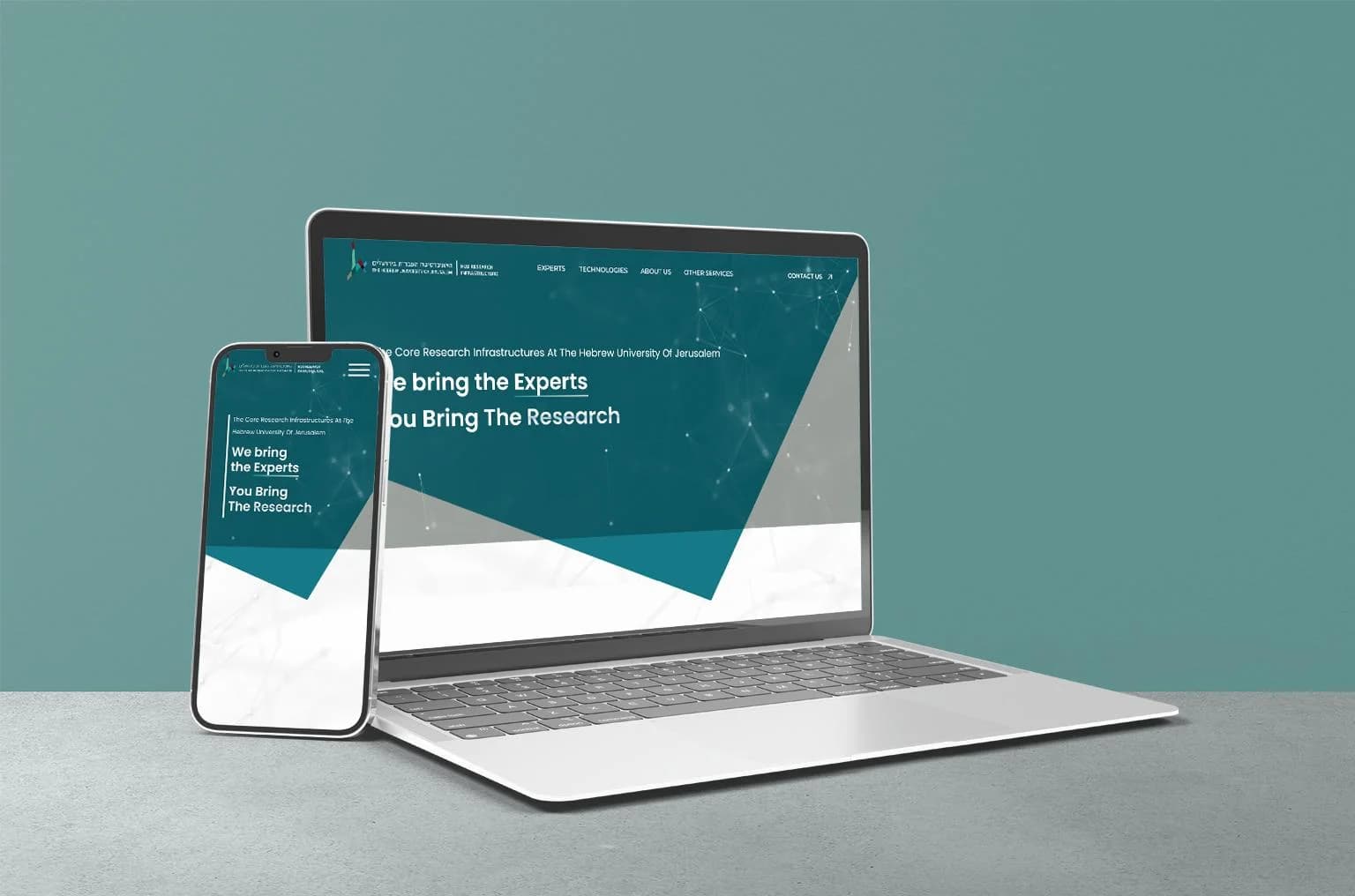
A fully custom English portal that shows researchers every instrument available for rent across departments and areas of expertise — with data pulled live from the university's systems through an API.
Native iOS and Android apps for the Yifat group: Vigo for managing communication crises, Info Buzzer for real-time media alerts, and Tenders Mobi for tracking public tenders.
Case study
Nature's Chef·eCommerce · Agriculture & fresh produce
An eCommerce site for a third-generation fruit and vegetable farmer, connected to the Priority ERP and to weighing carts so the business knows exactly what was ordered, weighed and shipped.
(09)FAQ
Software&AppDevelopment:yourquestions.
What kinds of software do you build?
Most things a startup or business runs on: MVPs and new products, SaaS platforms, customer and partner portals, iOS and Android apps, eCommerce, internal tools, integrations and APIs, and AI features. Our case studies and portfolio show web apps, native apps, portals, platforms and ERP-connected stores we've delivered for startups, universities, public bodies and brands.
Do you use AI to write our code?
Yes. AI agents are part of how we build: they help us understand codebases, implement scoped changes, refactor, and draft tests and documentation. Engineers define the work, review every change before it merges and own the technical decisions, and QA validates the product independently.
Do we have to manage the AI agents?
No. We run the workflow: planning, agent tasks, review, testing and release. You work with the engineers accountable for the result, and you can see the plan, the reviews and the release notes at any time.
Is AI-written code safe to put into production?
Not by default, which is why nothing merges on an AI tool's output alone. Changes go through human code review, automated tests, exploratory QA and, for sensitive areas, security review. Releases then follow a controlled pipeline with a rollback path. Generated tests are useful, but we don't treat them as proof that generated code is correct.
Which AI tools do you use?
That depends on the package you choose. Claude Code & Codex Engineering uses those tools under the provider account and settings approved for your project. Private / Local AI Engineering uses privately hosted models in a controlled environment. Either way, we confirm the applicable terms and settings before any of your code or data is processed.
Does every product you build include AI features?
No. AI-assisted delivery is how we engineer software; AI features for your users are a separate decision. Many of the products we build have no AI features at all. When one earns its place, we design, evaluate and operate it like any other part of the product.
Can you take over a codebase built by another team or with AI tools?
Yes. We start with an assessment of the architecture, security, tests and release risk, then propose a plan for remediation and modernization. Codebases produced quickly, by any team or tool, often work on the main path and fail at the edges, so that's where we look first.





 Case study