
Off-the-shelf software works until it starts forcing your team into workarounds. A sales team keeps exporting data into spreadsheets because the CRM cannot match the real process. Operations staff bounce between disconnected systems. Leaders pay for licenses, integrations, and manual fixes, yet still lack visibility. That is usually the moment the question changes from price to fit: what is custom software development services, and is it the right move for the business?
Custom software development services are the planning, design, building, testing, integration, deployment, and support of software created for a specific business need. Instead of buying a generic product and adapting your workflows around it, you invest in software built around your processes, goals, users, security requirements, and growth plans.
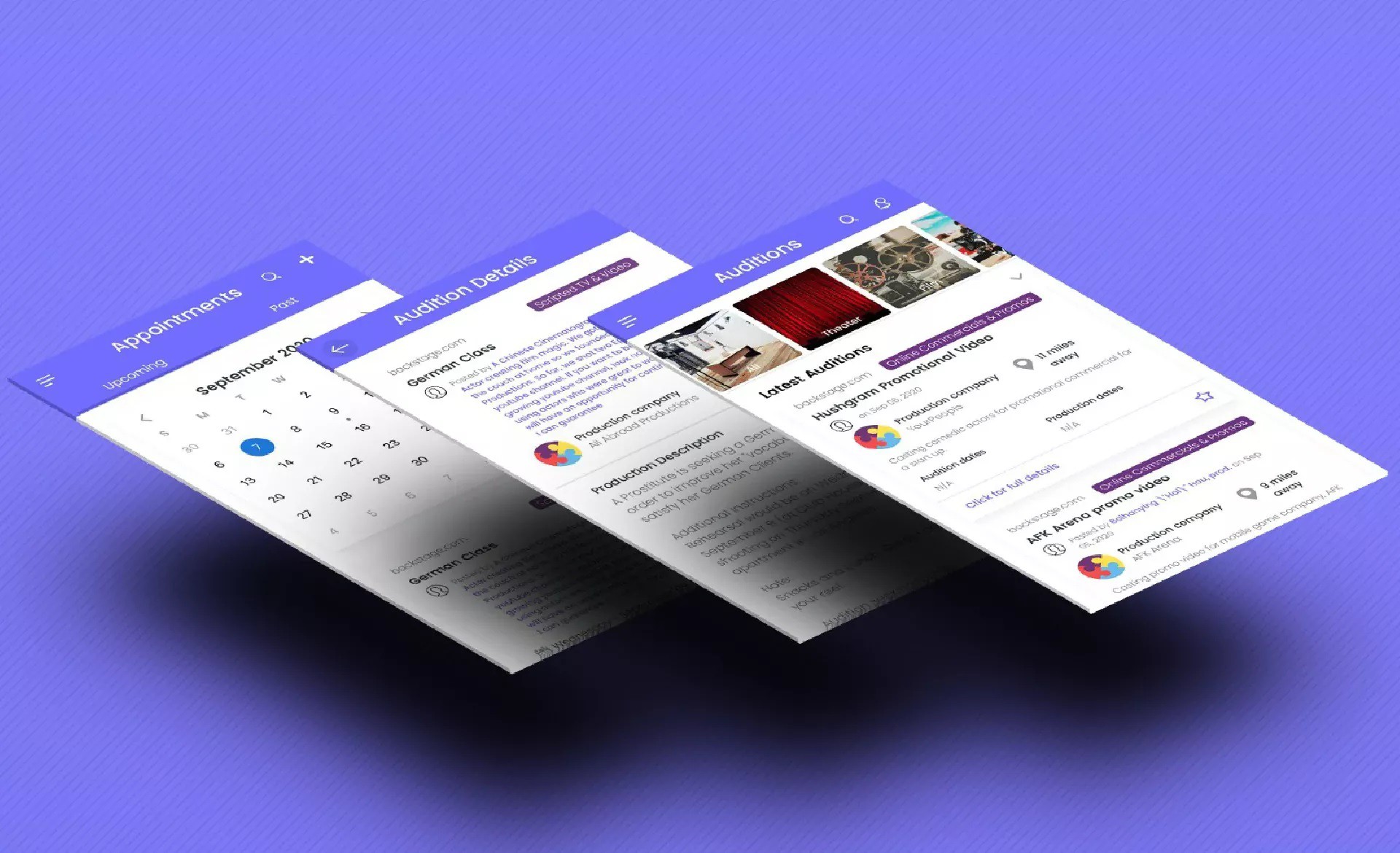
For some companies, that means a customer portal or mobile app. For others, it means an internal platform that connects ERP, CRM, inventory, finance, and reporting into one system. The core idea stays the same: the software is tailored to the business, not the other way around.
What is custom software development services in practice?
In practice, custom software development services cover much more than coding. A capable partner starts by understanding the business problem, the users involved, the systems already in place, and the outcomes that matter. That discovery phase shapes the product scope, technical architecture, security approach, and delivery roadmap.
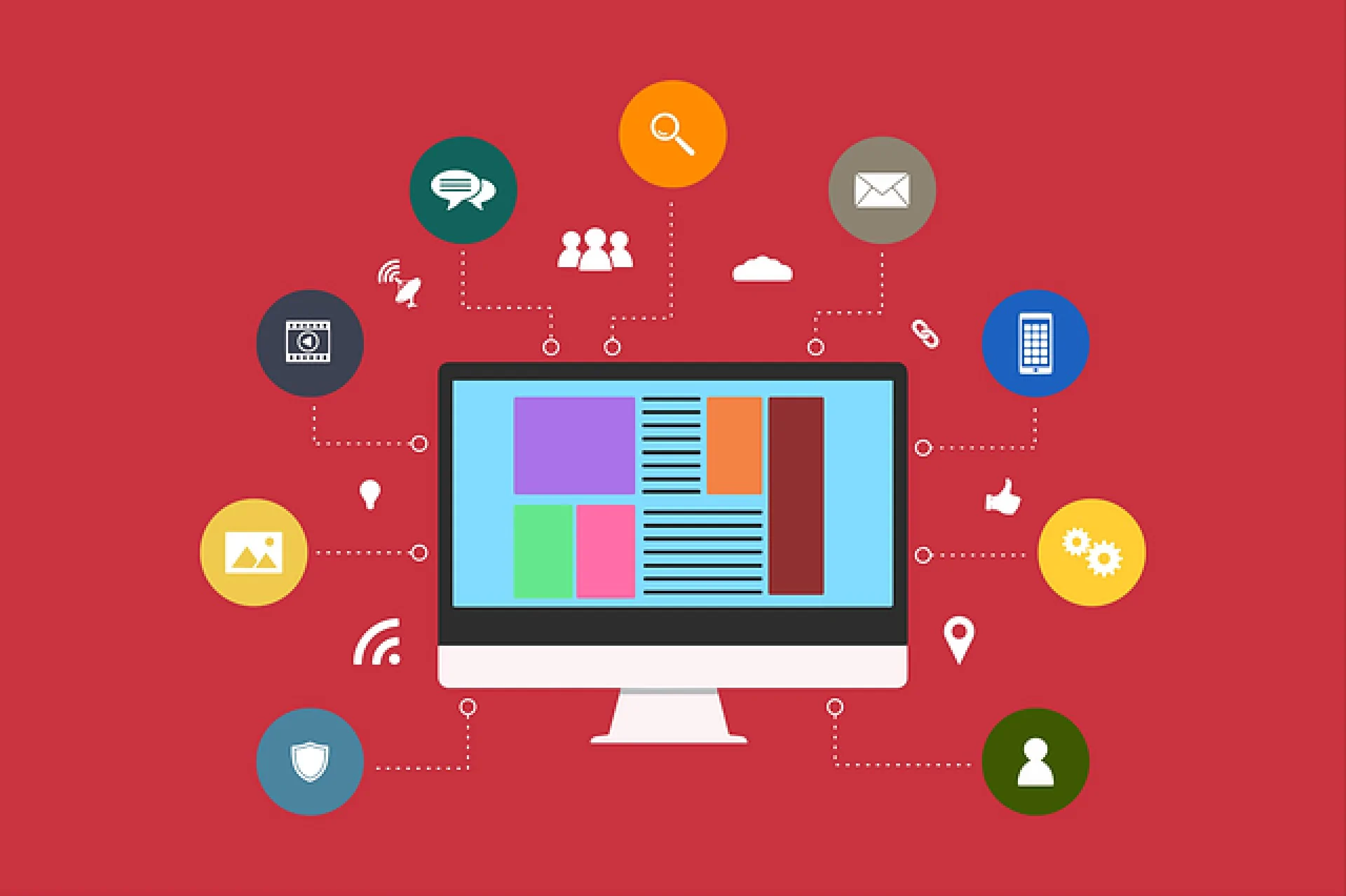
From there, the work typically moves through UI and UX design, backend and frontend development, API creation, database design, integrations, QA testing, deployment, and post-launch support. If the project is business-critical, the service may also include application security, performance optimization, cloud infrastructure planning, and ongoing maintenance.
This is why custom development should not be viewed as hiring programmers to build features on demand. It is a structured service that combines product thinking, engineering discipline, and operational alignment.
How custom software differs from off-the-shelf software
Off-the-shelf software is built for a broad market. It is faster to buy, often cheaper at the start, and useful when your needs are common and your processes can adapt to the tool. For standard accounting, team chat, or simple project management, packaged software can be the sensible choice.
Custom software is different. It is designed around the way your business actually operates and where you want it to go. That matters when your workflows are unique, your systems need to share data reliably, or your customer experience is part of your competitive advantage.
The trade-off is straightforward. Custom software requires more planning, a larger initial investment, and active stakeholder involvement. In return, you gain control over functionality, architecture, integrations, security, and scalability. For growing companies, that control often becomes more valuable over time than the convenience of a generic tool.
When custom software development makes sense
Custom development is not automatically the better option. It makes sense when the cost of working around existing tools becomes higher than the cost of building the right solution.
That point often arrives when teams rely on manual processes, duplicate data across departments, or lose time moving information between systems that do not connect properly. It also shows up when a company needs a digital product that cannot be meaningfully differentiated with a template solution.
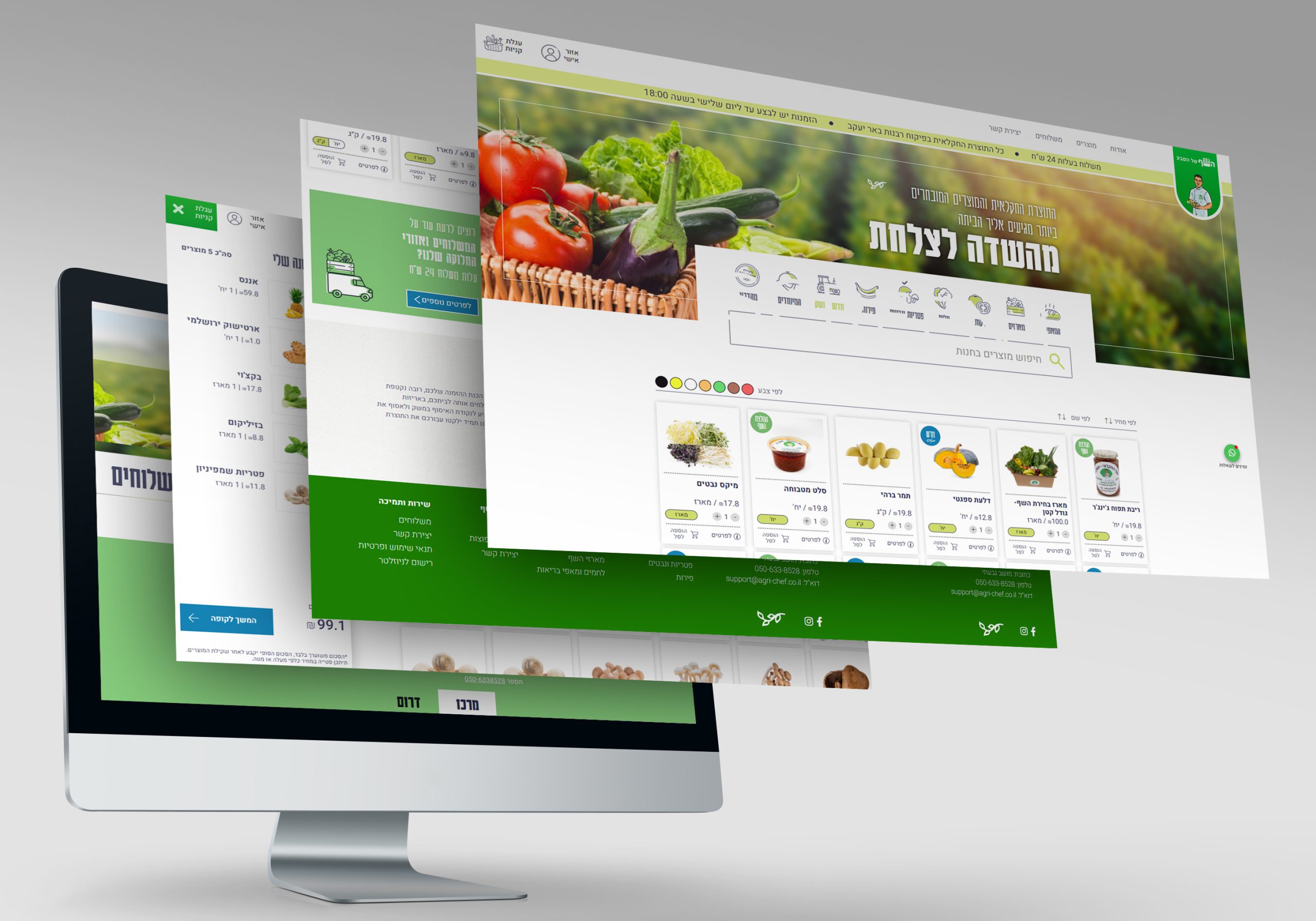
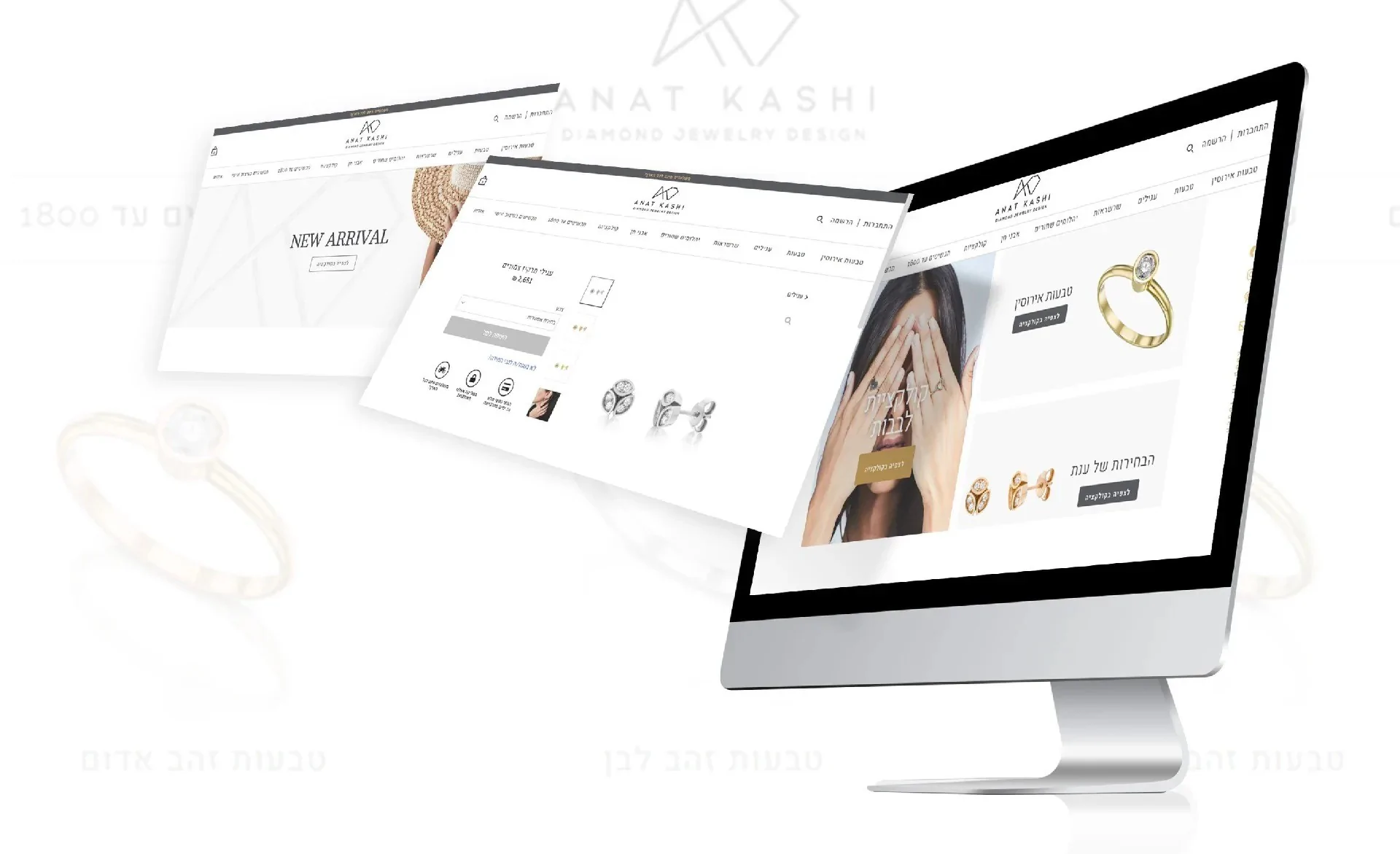
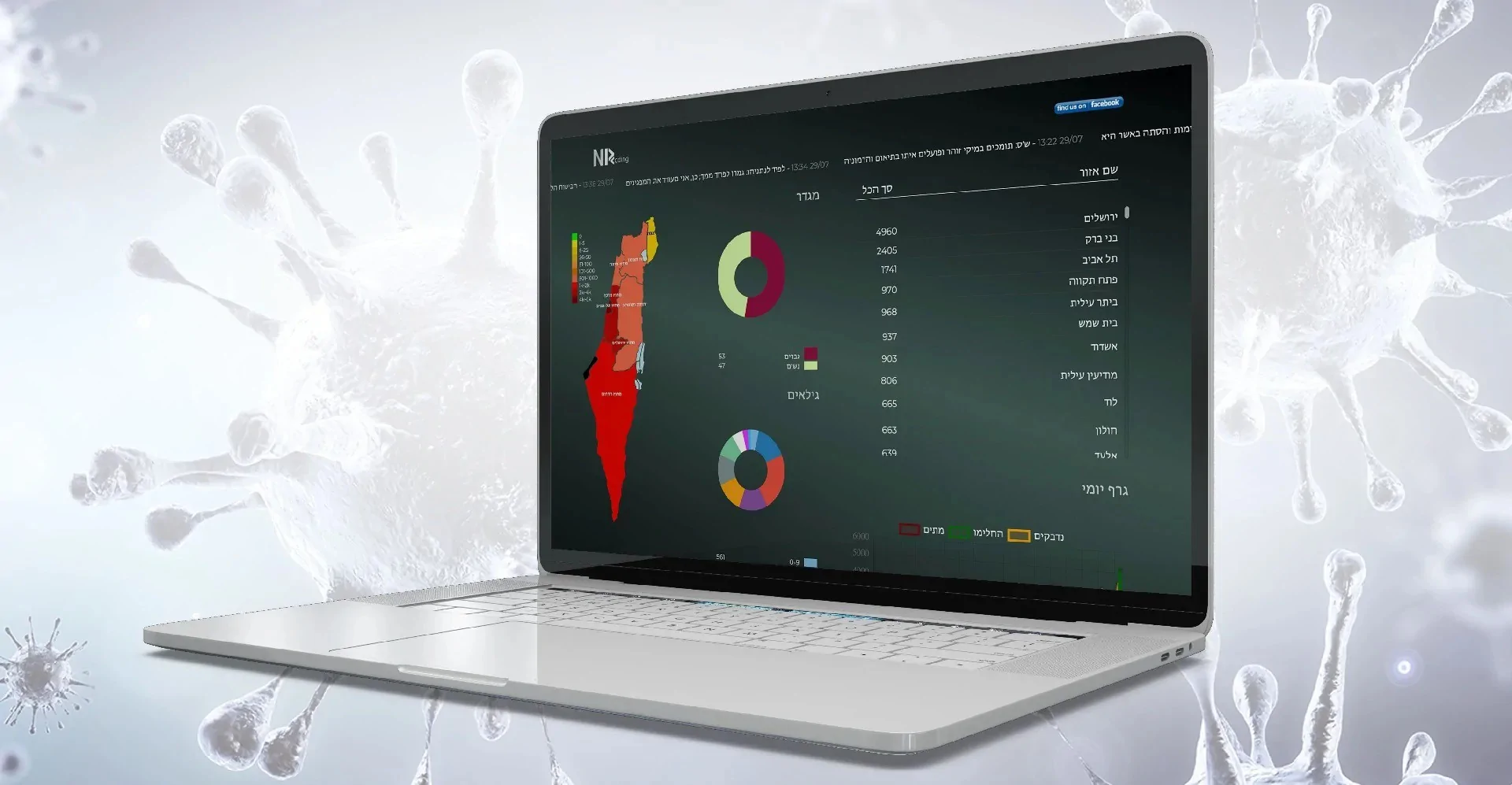
A healthcare business may need a secure platform with role-based access, compliance controls, and integrations with existing patient systems. A manufacturer may need a custom operations dashboard tied to inventory, suppliers, and logistics. An e-commerce brand may need a plugin, API layer, or fulfillment workflow built around a specific revenue model. In each case, the software is not just supporting the business. It is shaping performance.
What is included in custom software development services?
The exact scope depends on the project, but most serious engagements include several connected disciplines.
Discovery and strategy come first. This is where business goals, user needs, technical constraints, risks, and priorities are defined. Strong discovery reduces expensive changes later.
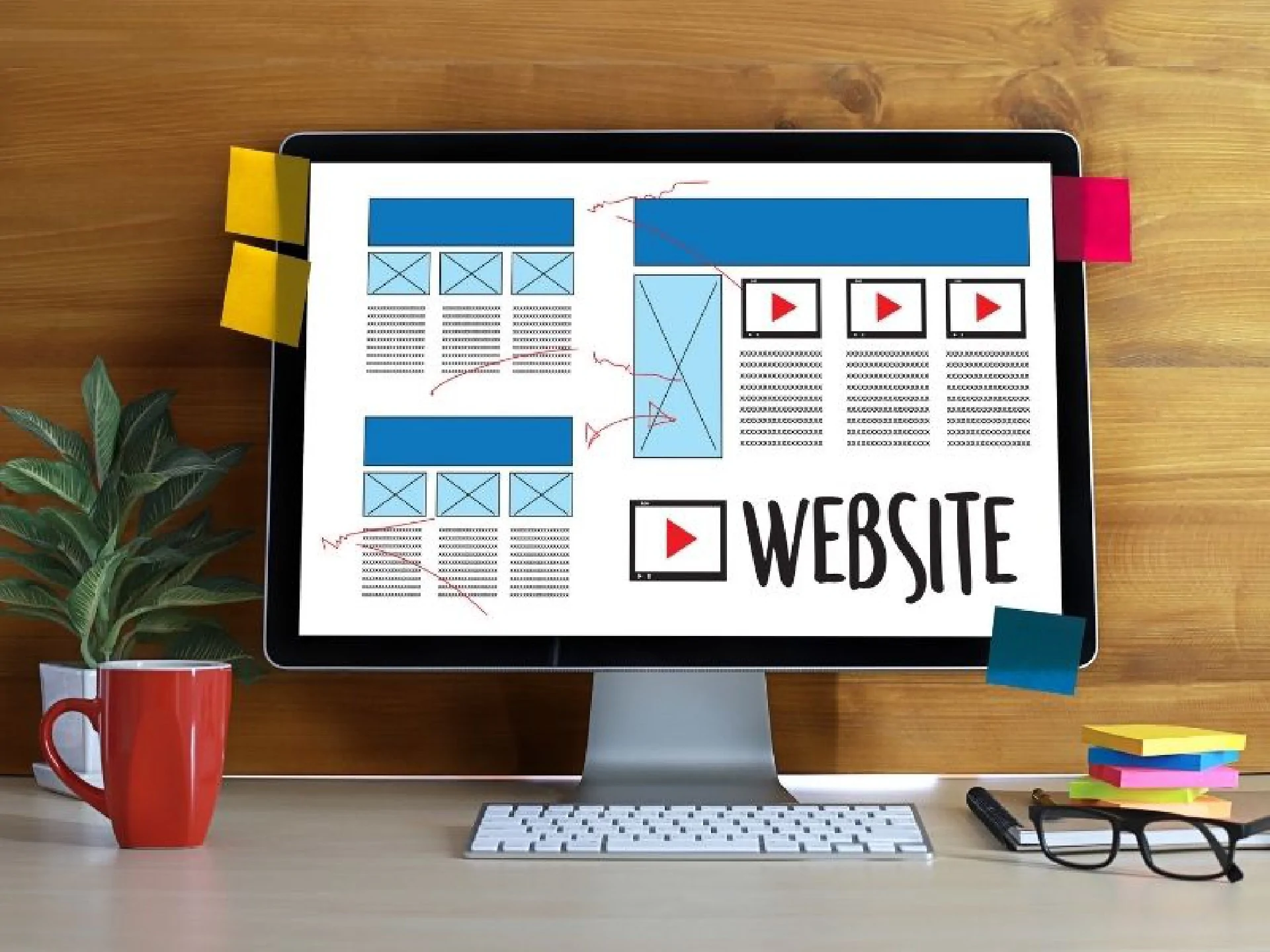
Product design follows. That includes user flows, wireframes, interface design, and validation of how people will use the system. Good design is not cosmetic. It affects adoption, training time, and process efficiency.
Engineering is the largest component. It may include web applications, mobile apps, enterprise systems, custom APIs, cloud architecture, databases, and third-party integrations. The best technical decisions are not the most complex ones. They are the ones that support reliability, maintainability, and growth.
QA and testing are essential. Many business leaders underestimate how much risk sits in edge cases, data handling, performance issues, and integration failures. Thorough testing protects the launch and reduces operational disruption.
Deployment and support complete the cycle. Once software goes live, it needs monitoring, updates, bug resolution, security patching, and sometimes feature expansion. Software is not a one-time asset. It is a business system that evolves.
The business value behind custom development
The main reason companies invest in custom software is not novelty. It is leverage.
When software fits the process, teams move faster and make fewer errors. When systems are integrated, leaders gain cleaner data and better reporting. When the customer experience is designed around the brand, conversion and retention can improve. When security is addressed from the start, the business reduces exposure instead of patching weaknesses later.
There is also a long-term financial argument. Subscription software can look inexpensive until costs stack up across users, add-ons, consultants, and manual overhead. Custom software can require more capital at the beginning, but in the right scenario it lowers friction, reduces dependency on multiple tools, and creates an asset the business controls.
That said, value depends on execution. Badly scoped custom software can become expensive and underused. The service matters as much as the code.
What to expect from a strong custom software partner
A strong development partner does not start by selling features. They start by clarifying objectives, technical realities, and success metrics. They ask where your bottlenecks are, what systems already exist, what cannot fail, and how the software will be measured after launch.
They should also be able to connect multiple capabilities under one delivery model. That includes development, security, integration, testing, and support. Businesses rarely have isolated software problems. More often, they have a mix of process friction, disconnected tools, risk exposure, and limited internal capacity.
For that reason, many companies prefer a partner that can move from product engineering to API development, enterprise integration, QA, and application security without creating handoff delays between separate vendors. That model is especially useful for organizations that need speed but cannot afford instability. Companies like NPCoding position their services this way because business software rarely succeeds on development alone.
Common misconceptions about custom software
One common misconception is that custom software is only for large enterprises. In reality, startups and mid-sized businesses often benefit the most when software directly supports growth, product delivery, or operational scale. A focused custom build can be more strategic than a patchwork of cheap tools.
Another misconception is that custom means building everything from scratch. It often does not. Good teams reuse proven frameworks, connect existing platforms through APIs, and build only the parts that need to be unique. That approach controls cost and speeds up delivery.
There is also the belief that custom software guarantees a perfect fit forever. It does not. Businesses change, users change, and markets change. The goal is not to freeze a system in time. The goal is to create software with the flexibility to evolve.
How to decide if it is right for your business
The decision usually comes down to three questions. First, is software central to how you operate, compete, or grow? Second, are current tools creating real cost through inefficiency, fragmentation, or missed opportunities? Third, do you need control over workflows, integrations, security, or user experience that packaged software cannot provide?
If the answer to those questions is yes, custom software development services are worth serious consideration. If your needs are simple, stable, and widely served by existing tools, packaged software may still be the smarter move.
The best decisions are rarely ideological. They are operational. You are not choosing between custom and off-the-shelf as abstract categories. You are choosing the level of control, flexibility, and strategic value your business actually needs.
Software should not force your team to work harder just to fit the tool. When the right system is built around the way your business runs, technology stops being a daily obstacle and starts becoming a real growth asset.