
A spreadsheet becomes a database. An inbox becomes a ticketing system. A few disconnected apps turn into the backbone of daily operations. That is usually the moment custom software development services stop feeling optional and start looking like a serious business decision.
For growing companies, the issue is rarely a lack of tools. It is the cost of forcing generic tools to handle specific workflows, compliance needs, customer expectations, and integration requirements they were never built to support. Custom software gives businesses a way to align technology with how they actually operate, not how a vendor assumes they should.
What custom software development services really solve
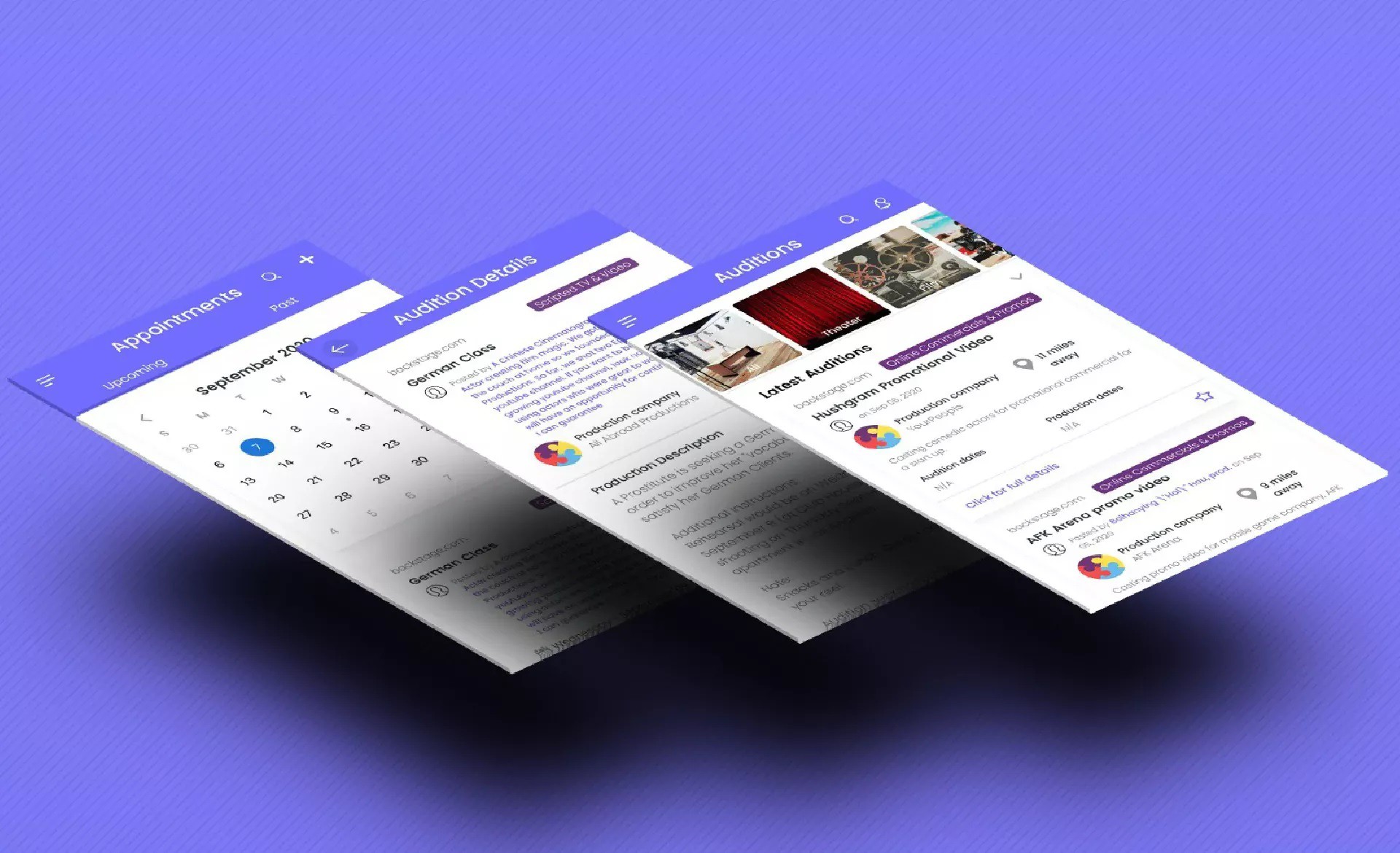
At a practical level, custom software development services are about building applications, platforms, integrations, and digital products around a company’s exact needs. That can mean a client portal for a healthcare provider, an internal operations platform for a manufacturer, a booking system for a sports organization, or a product ecosystem for a startup trying to move fast without accumulating technical debt.
The value is not customization for its own sake. The value is precision. When software matches the business model, teams spend less time on manual work, data moves more cleanly across systems, reporting becomes more reliable, and growth does not depend on adding more administrative effort.
That matters even more in companies managing multiple platforms at once. Many organizations are operating with a CRM, ERP, e-commerce platform, finance tools, support software, and several spreadsheets that sit between them. The friction is expensive. It creates delays, duplicate entries, inconsistent records, and avoidable errors. Custom development addresses the gaps that off-the-shelf products leave behind.
When off-the-shelf software stops being enough
There is nothing wrong with buying software. In many cases, it is the right first step. Off-the-shelf products are faster to adopt, usually cheaper upfront, and often good enough for standard functions like accounting, HR, or basic project management.
The problem starts when the business has to bend around the software. Teams create manual workarounds. Customer-facing processes become inconsistent. Security controls are harder to manage. Integrations break or never existed in the first place. Leaders lose visibility because data lives in too many places.
This is where the custom versus packaged software decision becomes a business strategy question, not just a technical one. If software is central to your customer experience, internal efficiency, compliance posture, or product differentiation, generic tools often create a ceiling.
That does not mean every company needs a fully custom platform from day one. It depends on scale, budget, complexity, and how unique the workflow really is. Sometimes the best approach is hybrid: keep proven commercial tools where they fit, then build custom applications and APIs around them to close the operational gaps.
The strongest custom software development services go beyond coding
Many firms can write code. Far fewer can connect product thinking, architecture, security, integration, and quality assurance into one delivery model.
That difference matters because software projects rarely fail over syntax. They fail because requirements were vague, architecture did not support future growth, testing was compressed, security was treated as a final checklist, or the application could not connect cleanly to the rest of the business.
Strong delivery starts with understanding outcomes. Do you need to reduce processing time? Launch a new digital product? Replace a fragile internal system? Unify data across departments? Support a distributed team? Each objective changes the build strategy.
From there, the work usually spans several disciplines. Application development turns the concept into a usable product. API development connects systems that need to exchange data reliably. Enterprise integration makes sure the software fits into the broader technology stack. QA and testing protect release quality. Application security reduces exposure before vulnerabilities become incidents.
That is why businesses increasingly look for a partner that can handle the full lifecycle instead of managing separate vendors for engineering, testing, integration, and support.
Where custom software creates measurable business value
The most effective custom platforms do one of three things well: they create revenue, reduce operating friction, or lower risk. The strongest systems usually do more than one.
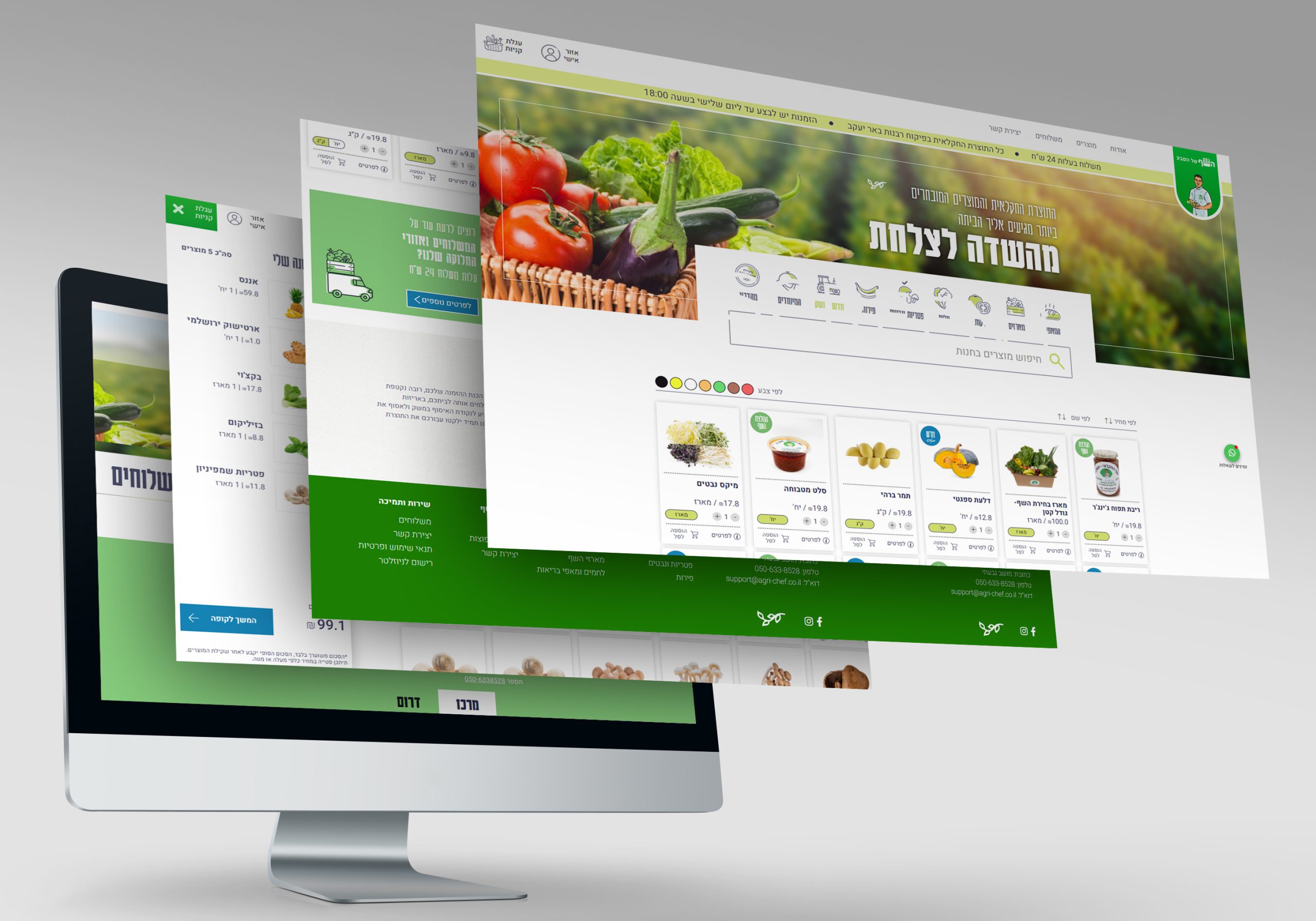
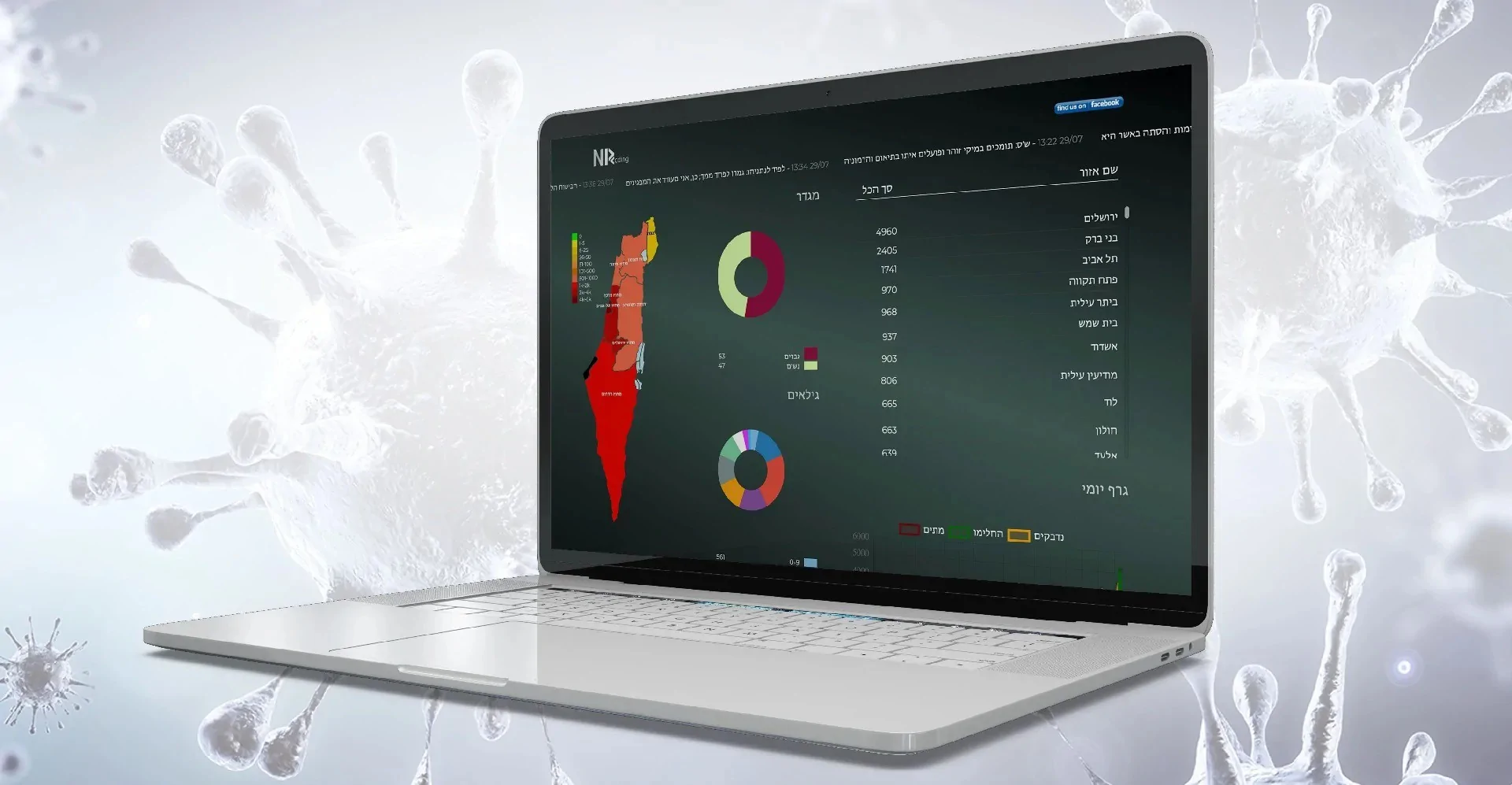
A startup may use custom development to launch a market-ready product with features that standard website builders cannot support. An e-commerce brand may invest in custom workflows that automate fulfillment, inventory syncing, and customer communications across channels. A healthcare group may need secure portals, role-based access, and protected data flows that align with regulatory expectations. A manufacturer may need internal dashboards, supply chain visibility, and ERP-connected tools that improve decision-making across operations.
In each case, the software is not just a technical asset. It becomes an operating asset.
This is also why speed should be judged carefully. Fast delivery is valuable, but only if the software is stable, maintainable, and ready to scale. Rushing a launch with weak architecture can create expensive rework six months later. On the other hand, overengineering early versions can slow momentum and burn budget before the business has validated demand. The right balance depends on what the company needs now versus what it will need after adoption grows.
What to expect from a custom software development process
A serious software engagement should start with discovery, not development. That stage clarifies business goals, user requirements, technical constraints, data flows, compliance concerns, and integration points. It also exposes assumptions early, which is usually cheaper than finding them halfway through a build.
After discovery, architecture and planning set the foundation. This includes choosing the right tech stack, defining how systems will connect, shaping the user experience, and identifying where performance or security risks may emerge. Decisions made here affect long-term cost far more than many buyers realize.
Design and development then move in iterations. That gives stakeholders visibility, lets teams validate priorities, and reduces the risk of building the wrong thing at full scale. QA should run throughout, not only before release. If testing is treated as a final phase, defects become harder and more expensive to fix.
Deployment is not the finish line either. Real value comes from how the system performs in live conditions, how users adopt it, and how effectively the business can support and extend it over time. Ongoing maintenance, monitoring, and updates are part of responsible software ownership.
For companies without large internal engineering teams, this is where working with a full-service technology partner becomes especially useful. Providers such as NPCoding support not only product delivery, but also security, integration, testing, and long-term development capacity when internal resources are stretched.
How to evaluate custom software development services
The first question is not price. It is fit.
A low-cost vendor can become expensive if they miss business requirements, ship unstable code, or create a system that another team has to rebuild. At the same time, the most expensive option is not automatically the best one. Buyers should look at technical depth, communication discipline, security maturity, QA standards, and experience with similar operational complexity.
It also helps to assess how the provider thinks. Do they challenge weak assumptions? Can they explain trade-offs clearly? Do they talk about business outcomes as comfortably as they talk about frameworks and deployment? Good partners do not just take tickets. They help shape better decisions.
For regulated or data-sensitive sectors, security should be part of the conversation from the start. For companies with fragmented systems, integration capability may matter more than flashy front-end design. For product-led businesses, scalability and user experience may carry more weight. The right evaluation criteria depend on what creates risk or value in your environment.
Why integration and security are no longer side issues
Custom applications rarely live alone. They connect to payment systems, CRMs, ERPs, analytics platforms, mobile apps, customer databases, and third-party services. If those connections are weak, the software may still function, but the business will feel the drag.
The same is true for security. As software becomes more central to operations, it also becomes a larger attack surface. Businesses cannot afford to treat security as a separate task to bolt on before launch. Secure development practices, access controls, testing, and ongoing monitoring need to be part of the operating model.
This is one reason custom software projects require more than pure development speed. They require discipline. The companies that get the best results are usually the ones that view software as infrastructure for growth, not a one-time deliverable.
Custom software is worth the investment when it removes recurring friction, supports a better customer experience, or creates capabilities your business cannot buy off the shelf. If your team is spending more energy managing workarounds than improving performance, that is usually your signal. The right system should make the business move with less effort and more control.